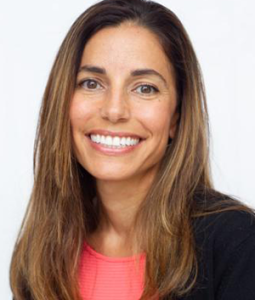
James S. Jackson Healthy Longevity Professor of Epidemiology (in the Robert N. Butler Columbia Aging Center), Interim Director, Robert N. Butler Columbia Aging Center aea27@cumc.columbia.edu
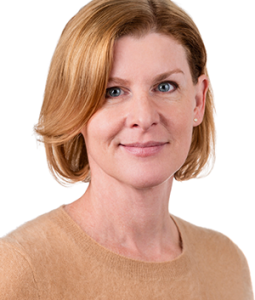
Dr. Allison Aiello’s research explores how economic, psychological, and biological factors shape healthy longevity, cognitive function, and the development of Alzheimer’s disease. Her work focuses on how stressful experiences across the life course influence biological aging, particularly immune system aging (immunosenescence), as a key pathway linking stress and health throughout the aging process. As Deputy Director of the National Longitudinal Study of Adolescent to Adult Health (Add Health), Dr. Aiello led the development of the Add Health Cognitive Assessment, Physical and Sensory Function protocol (“Add CAPS”).
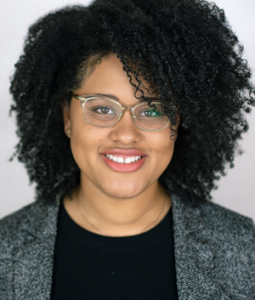
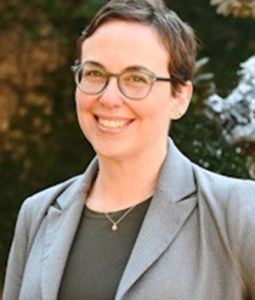
Dr. Brantley’s research focuses on the intersection of race, gender, and family within the context of health. Specifically, she utilizes both qualitative and quantitative methodologies to understand how the consequences of race shapes the health and well-being of families. Her current research agenda includes: (1) How is race-related stress transmitted within families, and (2) In what ways does race shape the health, well-being, and lived experiences of mothers? Her goal is to provide both exploration and insight into the multiple pathways through which stress contributes to health disparities within and across families.
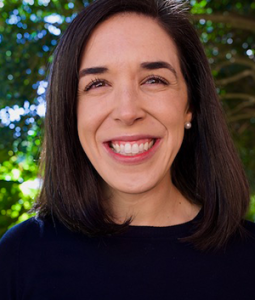
Extension Professor, Agromedicine Extension Specialist celeprev@ncsu.edu
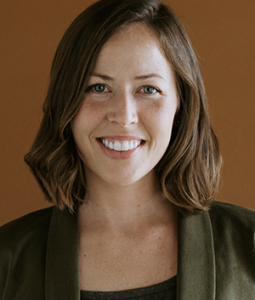
Dr. Catherine LePrevost’s research interests include science education that takes place outside of the classroom, especially with rural and agricultural communities on topics related to pesticides and environmental toxicology. She studies effective teaching and communication practices in non-traditional learning settings, and is particularly interested in the practices of community health workers who engage farmworkers. A current focus of her work is increasing these community health workers’ access to health information and piloting technology to enhance farmworker education in combination with professional development opportunities for community health workers.
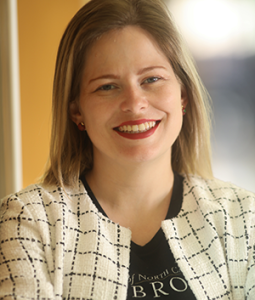
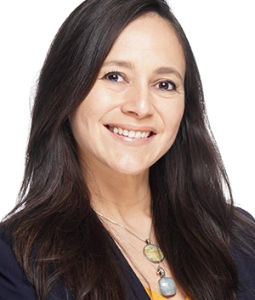
A mixed-methods scholar, Dr. Escue’s research interests include rural studies, immigration, and health. Her work has been published in a number of peer-reviewed journals, including American Behavioral Scientist, Hispanic Journal of Behavioral Sciences, Latino Studies and Journal of Cultural Geography.
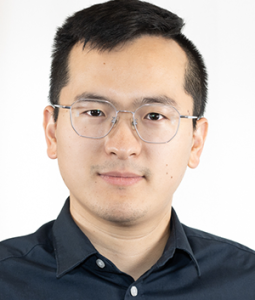
Dr. Gao’s active research investigates the impacts of sociodemographic and health-related factors on Asian American health disparities, suicide, early childhood adversity, and firearm violence. Dr. Gao did his postdoctoral fellowship at the Columbia Center for Injury Science and Prevention (CCISP) in the Mailman School of Public Health at Columbia University in the City of New York.
Distinguished Professor, Economics, Fayetteville State University Research Associate at the S.B. Cook Center of Social Equity, Duke University and the University of Minnesota mgarciaperez@uncfsu.edu
Dr. Mónica García-Pérez specializes in Health and Labor Economics, and her research focuses on the role of public policies in social mobility, immigrant assimilation, discrimination, and reducing the impact of health shocks on wealth among minority groups. Her research also looks at the intergenerational effects of barriers to access to health care and health coverage across race/ethnicity and nativity.
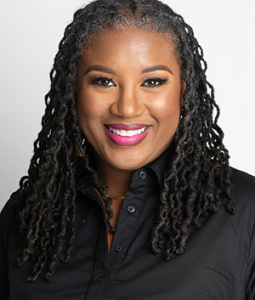
Dr. Kendra Jason specializes in organizational behavior, health disparities, and work. She has a particular interest in marginalized workers and how their intersectional experiences influence their workability, health, and wellbeing. Her work has been featured at The National Academy of Sciences and in media outlets, including Forbes.com. She is a sought-out speaker on workplace equity and culture. She is the founder of Work 4 Change, a workplace equity consultancy and editor of Race and Social Justice: Building and Inclusive College through Awareness, Advocacy, and Action (2023).
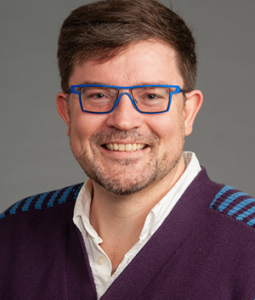
Dr. Joseph Lee specializes in implementation science and public health policy. His research focuses on how to translate public health policies, systems, and environmental changes into real-world practice. His work includes partnership with state public health agencies, community health centers, and community health workers to co-design strategies to improve the health of agricultural workers.
Dr. Thomas McDade is a biological anthropologist and population health scientist, and has conducted research on how social and ecological contexts shape human biology and health in diverse community-based settings around the world, including Bolivia, Ecuador, Kenya, Mexico, Samoa, the Philippines, and the US. Much of this work focuses on the developmental origins of social inequities in health, and advancing understanding of the complex associations among environments, inflammation, and disease over the life course.
Professor of Psychology, North Carolina State University sdneuper@ncsu.edu
Dr. Shevaun D. Neupert leads the Daily Well-Being in Adulthood Lab at N.C. State University. She studies how people respond to daily stressors and how these experiences shape cognitive, emotional, and physical health across adulthood. By using innovative, real-time research methods, Dr. Neupert uncovers the circumstances and personal factors that help promote resilience and well-being.
Dr. Maggie Sugg’s research sits at the intersection of applied climatology, environmental health, GIS, and health equity, with a focus on how climate hazards such as floods, hurricanes, heat, and drought affect community health in Appalachia and Western North Carolina. Hurricane Helene’s impacts on rural communities, maternal and youth mental health, and health disparities among vulnerable populations are central to her current work. She is the founder of the Appalachian Resilience Network (ARN), an NSF-funded coordination network that connects academics and practitioners working on flood-health resilience.
Dr. Duncan Thomas investigates the inter-relationships between health, human capital and socio-economic status with a focus on the roles that individual, family and community factors play in affecting levels of health, cognition and economic well-being across the globe. A central theme in much of the work is the immediate and long-term impacts of large-scale shocks such as the 2004 Indian Ocean tsunami.
Dr. Matthew Wright’s teaching interests center on families and intimate relationships, aging, demography, and statistics. Dr. Wright’s research, which has appeared in Journal of Marriage and Family, Journals of Gerontology, Demography, and Journal of Health and Social Behavior examines the implications of family change in later life, with an emphasis on marriage, divorce, and cohabitation. His current projects examine the relationship quality, well-being, and social relationships of cohabitors, with particular attention to those aged 50 and older.
Dr. Yiqing Yang’s research focuses on aging, health equity, and the role of social support and psychosocial resources in shaping health and well-being in later life. Her work integrates community-engaged research with quantitative, qualitative, and mixed-methods approaches to examine how structural and social factors influence health outcomes among older adults, particularly in underserved and rural communities.
Dr. Yuan Zhang’s research examines how social factors across different life stages influence aging-related outcomes, with an emphasis on populations in less economically developed countries. She also studies population health trends to uncover how disease burden, dementia, and mortality are unfolding in the population, and how they are linked to other structural changes such as increasing education.
Dr. Anna Manzoni’s research is grounded in a life course perspective and examines social stratification processes by cohort, class, gender, and across countries. She is interested in family processes, youth transition to adulthood, labor market dynamics, and social mobility more broadly.
Dr. Mann uses qualitative research methods to critically examine how reproductive health promotion efforts unfold in health policy, clinical practice, and public health initiatives, and explore how social factors shape the social regulation and lived experiences of people of reproductive age regarding sex, contraception, pregnancy, abortion, childbirth, and parenthood.
Dr. Marta Bornstein is a mixed methods researcher focused on sexual and reproductive health and reproductive decision making, including fertility, infertility, contraceptive use, and abortion. She is interested in how fertility and infertility are socially constructed and experienced. In all of her research, Dr. Bornstein incorporates a reproductive justice framework to understand how individual experiences and health outcomes related to sexual and reproductive health are shaped by structural and social inequalities.
Dr. Kathleen Broussard uses a reproductive justice-informed approach to investigate how people navigate reproduction both socially and medically and how institutions and technologies shape people’s experiences. She employs a range of methodological approaches, including surveys, interviews, and content analysis, to explore these complex dynamics.